



Volume 6

Clinical Data

Evaluating Efficacy and Safety: A Data-Driven Review of UZEDY for Schizophrenia Treatment

MAY 2026 | 8 MIN READ

UZEDY Clinical Data hero

UZEDY: Innovative Delivery for Streamlined Schizophrenia Treatment

UZEDY® is a long-acting injectable (LAI) risperidone treatment designed for adults with schizophrenia that utilizes the innovative drug delivery platform SteadyTeqTM.1,2 The safety of UZEDY for patients with schizophrenia is based on adequate and well-controlled studies of oral risperidone, and the efficacy and safety of UZEDY was established in the phase 3 clinical trial, Risperidone Subcutaneous Extended-release (RISE).1,2 The SteadyTeqTM platform enables each dose of UZEDY to generate a rapid absorption phase followed by a slower, secondary absorption phase over several weeks. UZEDY reaches therapeutic plasma concentrations within 6 to 24 hours of initiation and maintains clinically relevant plasma levels throughout the dosing interval.1,3 The net result is a streamlined initiation or reinitiation without the need for oral supplementation or loading doses.1,3 In addition to the pharmacokinetic features, the administration features of UZEDY result in an LAI that can be administered subcutaneously in the abdomen or back of the upper arm for all appropriate patients.1

Efficacy and Safety Data of UZEDY Demonstrated in Clinical Trials

UZEDY was evaluated in the double-blind, placebo-controlled, randomized relapse prevention study RISE, which compared UZEDY once monthly (Q1M) and once every 2 months (Q2M) with placebo in adult patients with schizophrenia.1,2,4 In RISE, patients receiving UZEDY Q1M demonstrated significant reduction in the risk of relapse by 80% compared with patients receiving placebo (Figure 1). In patients receiving UZEDY Q2M, the reduction in risk of relapse was 62.5% compared with placebo.2

80%
Reduction in risk of relapse with UZEDY Q1M vs placebo2
62.5%
Reduction in risk of relapse with UZEDY Q2M vs placebo2

Figure 1. Patients With Impending Relapse
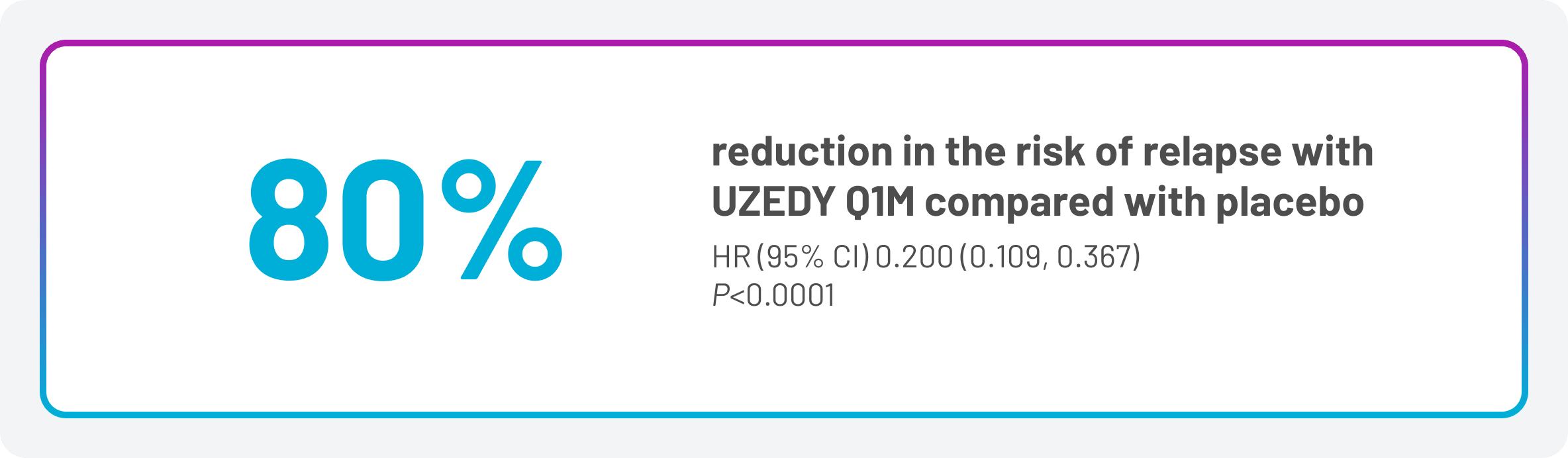
Figure 1. Patients With Impending Relapse

The safety profile of oral risperidone in adults with schizophrenia has been well characterized. The safety profile of UZEDY for patients with schizophrenia is based on adequate and well-controlled studies of oral risperidone, and the safety profile of UZEDY is expected to be similar to that of corresponding oral risperidone doses of 2 to 5 mg daily.1 Figure 2 lists the adverse reactions occurring in at least 2% of patients in the RISE trial.


Figure 2. Adverse Reactions Occurring in ≥2% of Patientsa

Figure 2. Adverse Reactions Occurring in ≥2% of Patients in the RISE Trial
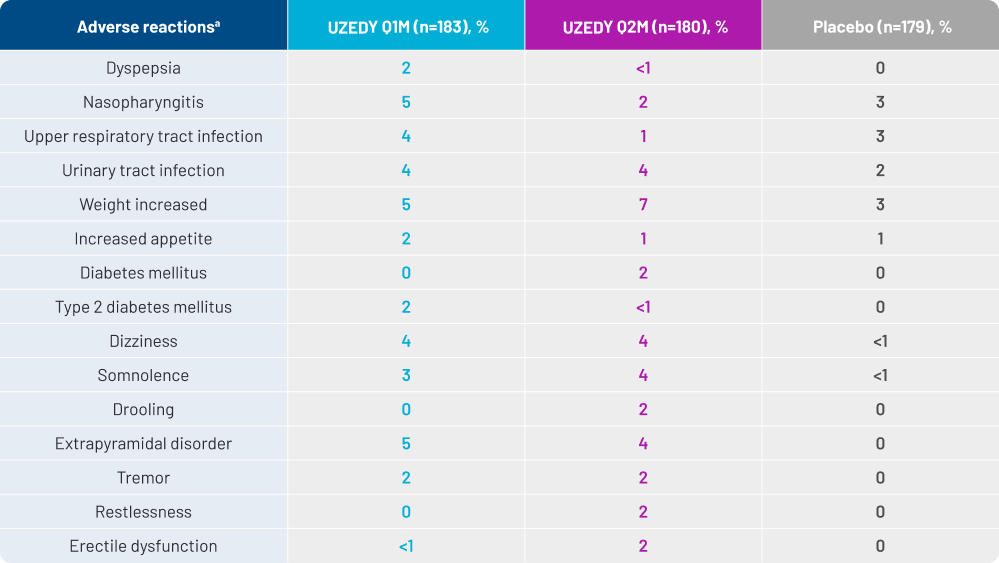
aThose occurring in ≥2% of patients treated with UZEDY and with higher frequency than in patients receiving placebo.

Real-World Persistence and Adherence Analyses

A retrospective claims data analysis was conducted to investigate the demographic, clinical, and treatment characteristics of eligible adult patients in the United States who had received a prescription for UZEDY. The analysis utilized retrospective claims data from the EVERSANA database, covering August 2018 to February 2024. This database accounts for 90% of all prescriptions in the US.5 While the information that this database provides on the use of UZEDY is useful, it is important to note that no conclusions of safety or efficacy can be made of a retrospective administrative claims data analysis. Patients included in the study were those prescribed UZEDY between May 2023 and February 2024, with either at least 2 months of data prior to the start of the analysis period or a first claim date prior to May 1, 2023. In this analysis, UZEDY Q1M and UZEDY Q2M were treated as separate medications, with 25 patients common to both groups. Patient data were analyzed starting at the latter of either the first claim date for UZEDY or the first claim for a schizophrenia diagnosis.5


Figure 3. Real-World Persistence Among Patients With Schizophrenia Treated With UZEDY
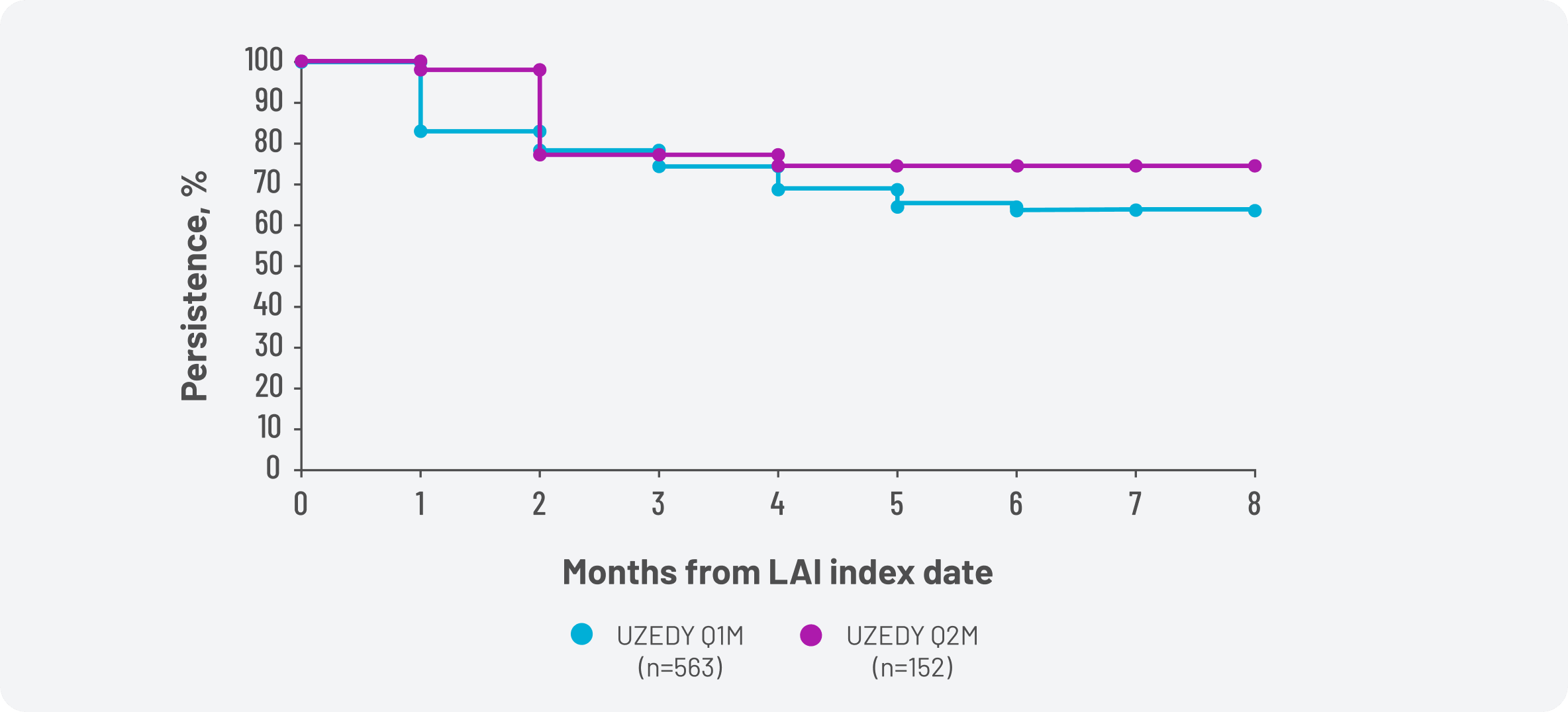
Figure 3. Real-World Persistence Among Patients With Schizophrenia Treated With UZEDY
*Study included patients prescribed UZEDY between May 2023 and February 2024 who had either ≥2 months of data prior to index date or a first claim before May 1, 2023. Index date defined as either the later date of either the first claim date of UZEDY or first claim date for a schizophrenia diagnosis.

Persistence of treatment was assessed using the Kaplan-Meier methodology, which calculates persistence based on the time to treatment discontinuation. Subjects who exceeded 30 days between the end of 1 prescription and the start of the next—indicating the end of the treatment's allotted supply—were discontinued. Approximately 74% of adult patients with schizophrenia prescribed UZEDY were persistent with their treatment 4 months after receiving their first prescription (Figure 3).5 The retrospective claims data were additionally utilized to evaluate adherence among adult patients with schizophrenia who were treated with UZEDY Q1M and UZEDY Q2M. For the adherence analysis, patients were deemed adherent if their antipsychotic medication covered at least 80% of the days analyzed for that patient.5

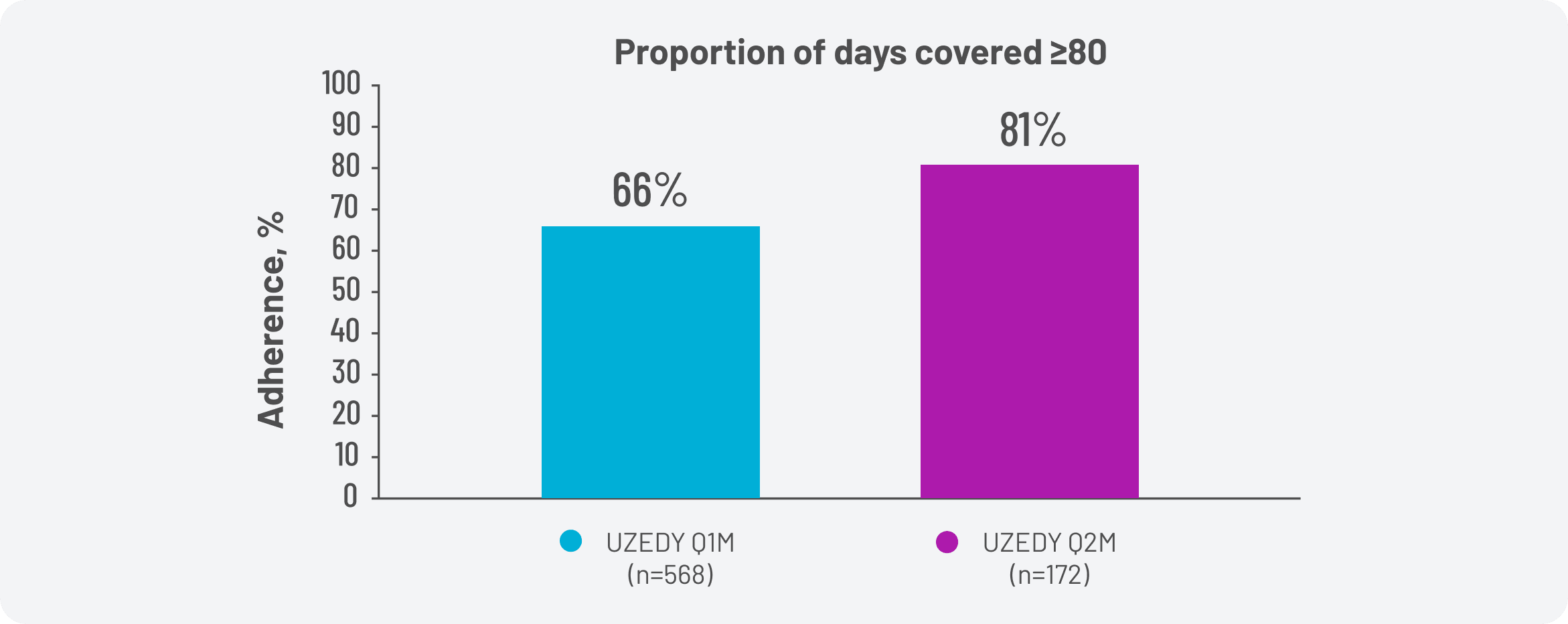
Patients were observed for 1 year; for the number of days between the beginning of the analysis and the date of the patient's last recorded activity; or for the number of days from the beginning of the analysis to the date the patient switched to another LAI—whichever period was shortest. Among adult patients with schizophrenia treated with UZEDY, 66% of those taking UZEDY Q1M were adherent to their treatment, and 81% of those taking UZEDY Q2M were adherent (Figure 4).5

66%
Adherence rate among adult patients with schizophrenia treated with UZEDY Q1M5
81%
Adherence rate among adult patients with schizophrenia treated with UZEDY Q2M5

Figure 4. Adherence Among Patients With Schizophrenia Treated With UZEDY

Figure 4. Adherence Among Patients With Schizophrenia Treated With UZEDY

*Study included patients prescribed UZEDY between May 2023 and February 2024 who had either ≥2 months of data prior to index date or a first claim before May 1, 2023. Index date defined as either the later date of either the first claim date of UZEDY or first claim date for a schizophrenia diagnosis.

RISE Post Hoc and Exploratory Analyses

Additional post hoc and exploratory analyses were conducted in the RISE clinical trial. As with the data above, it is important to remember that, due to the exploratory and post hoc nature of these analyses, no determination of statistical significance can be made, and conclusions should not be drawn from these findings. The patient-reported Schizophrenia Quality of Life Scale (SQLS) is a 33-item scale divided into 2 domains: “psychosocial feelings” and “cognition and vitality”, with a decrease in scores signifying an increase in quality of life. Patients with schizophrenia treated with UZEDY Q1M and Q2M exhibited a decrease in SQLS scores from baseline. In contrast, scores increased for patients in the placebo group (Figure 5A).6

Additionally, the European Quality of Life 5-Dimension 5-Level Visual Analog Scale (EQ-5D-5L VAS) is a 2-part questionnaire used to assess health-related quality of life, with higher scores indicating better quality of life. In part 1, patients evaluate their health state across 5 dimensions—mobility, self-care, usual activities, pain/discomfort, and anxiety/depression. In part 2, patients rate their overall health state. Patients with schizophrenia in the UZEDY Q1M and Q2M groups showed increases in EQ-5D-5L VAS scores from baseline, while scores decreased for those in the placebo group (Figure 5B).6

The patient-reported Drug Attitude Inventory–10-Item Version (DAI-10) covers 3 domains: subjective positive, subjective negative, and attitude toward medication. A positive patient score on the DAI-10 reflects a favorable attitude toward psychiatric medication. Patients with schizophrenia treated with UZEDY Q1M and Q2M exhibited an increase in DAI-10 scores from baseline to the end of treatment, whereas scores decreased for those in the placebo group (Figure 5C).6 Finally, the clinician-reported Personal and Social Performance (PSP) scale measures patient functioning across 4 categories: socially useful activities (housework, work, or study), personal and social relationships (with partners, family, or friends), self-care (personal hygiene and appearance), and disturbing and aggressive behaviors. Lower scores indicate functioning requiring intensive supervision, while higher scores reflect better personal and social functioning. Patients in the UZEDY Q1M and Q2M groups demonstrated numerical improvements in PSP scores from baseline compared with those in the placebo group (Figure 5D).6


Figure 5. RISE Exploratory Analysis: Patient-Centered Outcomes
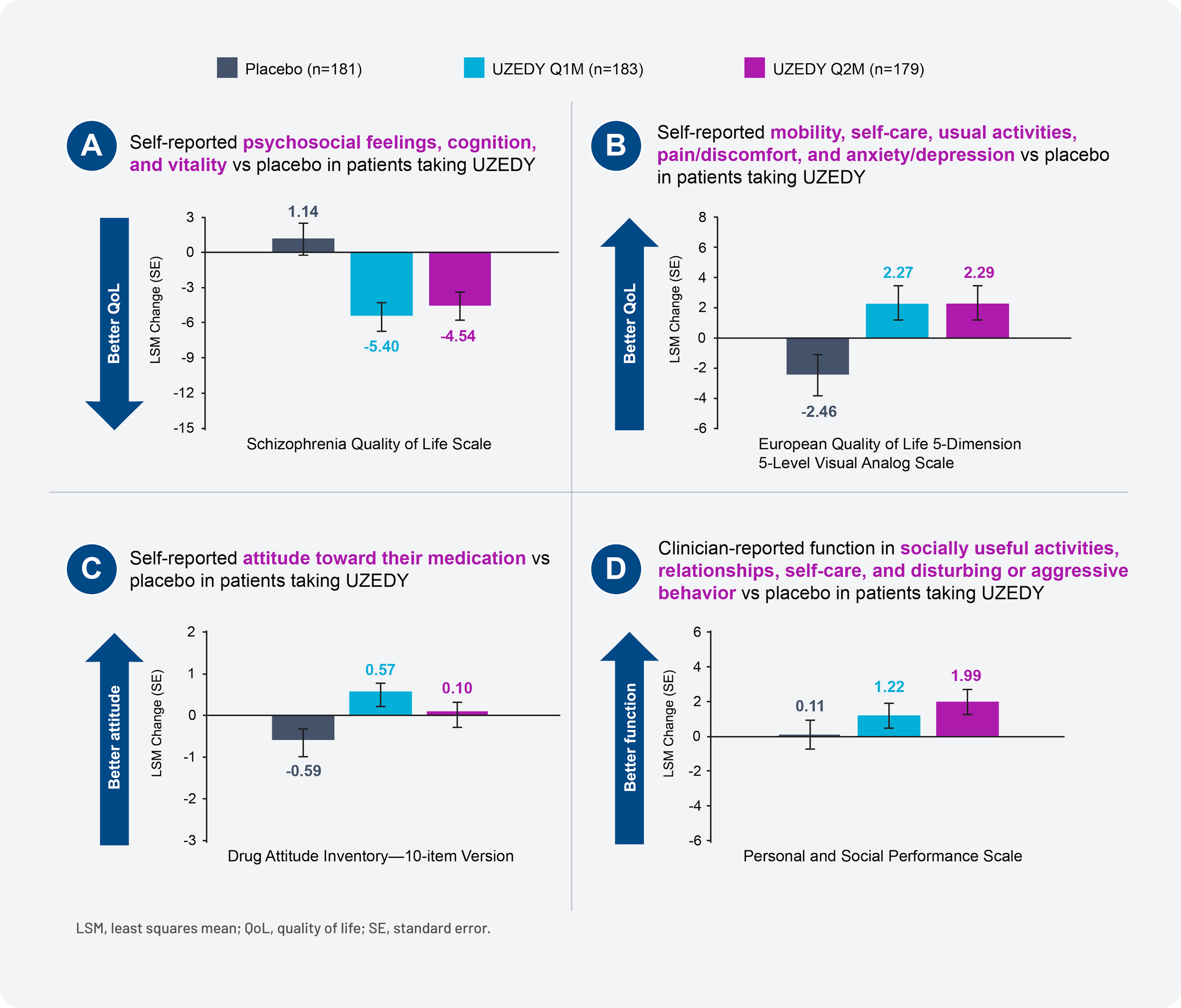
Figure 5. RISE Exploratory Analysis: Patient-Centered Outcomes (5A–5D)
Factors to Consider When Choosing UZEDY for Patients With Schizophrenia

UZEDY offers a variety of features that clinicians and patients may consider as part of a comprehensive discussion of schizophrenia treatment (Figure 6). In addition to the clinical data reviewed above, the pharmacokinetic (PK) profile of UZEDY results in rapid attainment of therapeutic plasma levels in 6 to 24 hours that are sustained for the duration of the dosing interval.1,2 Initiation of UZEDY is streamlined, with a single-dose initiation or reinitiation without the need for loading doses or oral supplementation.1


Figure 6. Factors to Consider When Choosing UZEDY for Patients With Schizophrenia
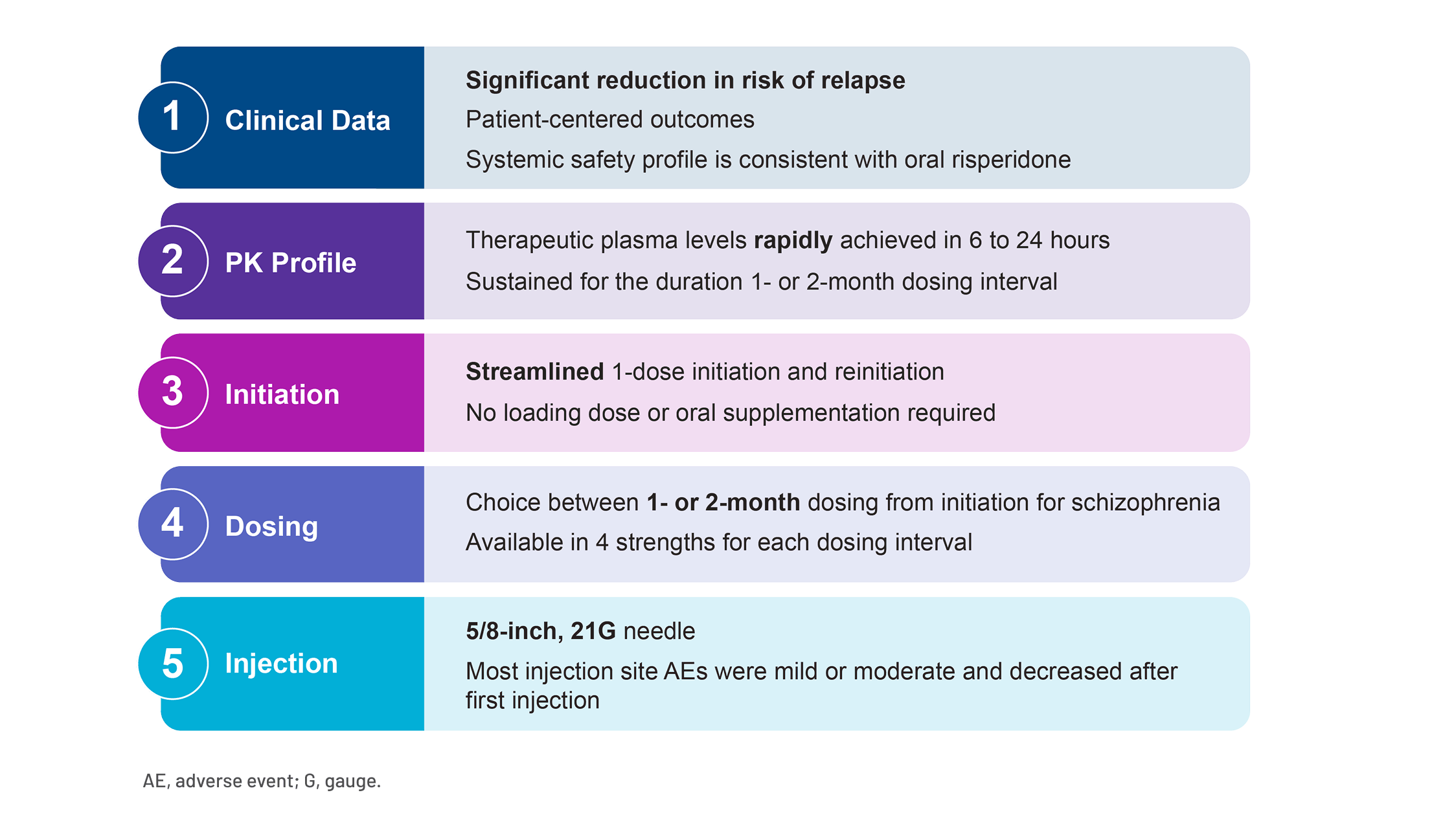
Figure 6. Factors to Consider When Choosing UZEDY for Patients With Schizophrenia

The dosing of UZEDY can be tailored to the needs of the patient, with the choice between 1- or 2-month dosing and 4 available strengths for each dosing interval for patients with schizophrenia.1 Additionally, UZEDY is available in a prefilled syringe with a 5/8-inch, 21G needle that can be administered subcutaneously in the back of the upper arm or abdomen.1 In the RISE study, injection site reactions (ISRs) were mild or moderate and, overall, ISRs decreased in frequency after the first injection.7,8 The most common ISRs with UZEDY in patients with schizophrenia (≥5% and greater than placebo) were pruritus and nodule.1

In summary, UZEDY can help prevent relapse and has a safety profile akin to the established profile of oral risperidone, which is familiar to many healthcare providers. The initiation process with UZEDY is streamlined, with no loading dose or oral supplementation required. It has demonstrated relapse prevention, and it has a safety profile consistent with the known safety profile of oral risperidone.2,5 Patients and caregivers alike have observed that the streamlined dosing and administration process of UZEDY make it easy to receive and deliver.6 In addition to the perceived ease of administration, insights from real-world data suggest persistence among patients treated with UZEDY through the period analyzed.9

Key Takeaways: Evaluating Efficacy and Safety of UZEDY for Schizophrenia Treatment
  • UZEDY demonstrated significant relapse reduction in the RISE study: 80% with Q1M dosing and 62.5% with Q2M dosing vs placebo2
  • Real-world data show approximately 74% of patients with schizophrenia were persistent with UZEDY at 4 months, with adherence rates of 66% for Q1M and 81% for Q2M5
  • UZEDY's streamlined features — rapid attainment of therapeutic plasma levels in 6 to 24 hours, subcutaneous administration, and no loading dose or oral supplementation required — make it a practical option for patients with schizophrenia1,2
References
  1. UZEDY® (risperidone) extended-release injectable suspension Current Prescribing Information. Parsippany, NJ: Teva Neuroscience, Inc.
  2. Kane JM, Harary E, Eshet R, et al. Efficacy and safety of TV-46000, a long-acting, subcutaneous, injectable formulation of risperidone, for schizophrenia: a randomised clinical trial in the USA and Bulgaria. Lancet Psychiatry. 2023;10(12):934-943.
  3. Merenlender Wagner A, Elgart A, Perlstein I, et al. Phase 1 open-label study assessing the pharmacokinetics and safety of TV-46000, a novel long-acting subcutaneous injectable formulation of risperidone. Presented at: European Congress of Neuropathology; October 2-5, 2021; Lisbon, Portugal. Poster P.0463.
  4. Data on file. Parsippany, NJ: Teva Neuroscience, Inc.
  5. Thompson S, Nathan R, Suett M, et al. Real-world TV-46000 prescribing behaviors in the United States since approval to treat adults with schizophrenia: United States claims database analysis of treatment patterns. Presented at: Academy of Managed Care Pharmacy (AMCP) Nexus 2024; October 14-17, 2024; Las Vegas, NV.
  6. Citrome L, Suett M, Franzenburg KR, et al. TV-46000, a long-acting subcutaneous antipsychotic agent, demonstrated improved patient-centered outcomes in patients with schizophrenia. Neuropsychiatr Dis Treat. 2024;20:1901-1917.
  7. Correll CU, Kane JM, Suett M, et al. Efficacy and safety of TV-46000, subcutaneous long-acting risperidone, by injection site (upper arm/abdomen): post hoc analysis of the RISE study. Presented at: Psych Congress; October 29–November 1, 2021; San Antonio, TX.
  8. Correll CU, Kane JM, Suett M, et al. TV-46000–A long-acting subcutaneous antipsychotic (LASCA) for the treatment of schizophrenia: local tolerability and injection site reactions. Presented at: Psych Congress; September 6-10, 2023; Nashville, TN.


INDICATION AND USAGE

UZEDY (risperidone) extended-release injectable suspension for subcutaneous use is indicated for the treatment of schizophrenia in adults.

IMPORTANT SAFETY INFORMATION
WARNING: INCREASED MORTALITY IN ELDERLY PATIENTS WITH DEMENTIA-RELATED PSYCHOSIS

Elderly patients with dementia-related psychosis treated with antipsychotic drugs are at an increased risk of death. UZEDY is not approved for use in patients with dementia-related psychosis and has not been studied in this patient population.

INDICATIONS AND USAGE

UZEDY (risperidone) extended-release injectable suspension for subcutaneous use is indicated for the treatment of schizophrenia in adults.

IMPORTANT SAFETY INFORMATION
WARNING: INCREASED MORTALITY IN ELDERLY PATIENTS WITH DEMENTIA-RELATED PSYCHOSIS

Elderly patients with dementia-related psychosis treated with antipsychotic drugs are at an increased risk of death. UZEDY is not approved for use in patients with dementia-related psychosis and has not been studied in this patient population.

CONTRAINDICATIONS: UZEDY is contraindicated in patients with a known hypersensitivity to risperidone, its metabolite, paliperidone, or to any of its components. Hypersensitivity reactions, including anaphylactic reactions and angioedema, have been reported in patients treated with risperidone or paliperidone.

WARNINGS AND PRECAUTIONS

Cerebrovascular Adverse Reactions: In trials of elderly patients with dementia-related psychosis, there was a significantly higher incidence of cerebrovascular adverse events (e.g., stroke, transient ischemic attack), including fatalities, in patients treated with oral risperidone compared to placebo. UZEDY is not approved for use in patients with dementia-related psychosis.

Neuroleptic Malignant Syndrome (NMS): NMS, a potentially fatal symptom complex, has been reported in association with antipsychotic drugs. Clinical manifestations of NMS are hyperpyrexia, muscle rigidity, altered mental status including delirium, and autonomic instability (irregular pulse or blood pressure, tachycardia, diaphoresis, and cardiac dysrhythmia). Additional signs may include elevated creatine phosphokinase, myoglobinuria (rhabdomyolysis), and acute renal failure. If NMS is suspected, immediately discontinue UZEDY and provide symptomatic treatment and monitoring.

Tardive Dyskinesia (TD): TD, a syndrome consisting of potentially irreversible, involuntary, dyskinetic movements, may develop in patients treated with antipsychotic drugs. Although the prevalence of the syndrome appears to be highest among the elderly, especially elderly women, it is impossible to predict which patients will develop the syndrome. Whether antipsychotic drug products differ in their potential to cause TD is unknown.

The risk of developing TD and the likelihood that it will become irreversible are believed to increase with the duration of treatment and the cumulative dose. The syndrome can develop, after relatively brief treatment periods, even at low doses. It may also occur after discontinuation. TD may remit, partially or completely, if antipsychotic treatment is discontinued. Antipsychotic treatment, itself, however, may suppress (or partially suppress) the signs and symptoms of the syndrome, possibly masking the underlying process. The effect that symptomatic suppression has upon the long-term course of the syndrome is unknown.

If signs and symptoms of TD appear in a patient treated with UZEDY, drug discontinuation should be considered. However, some patients may require treatment with UZEDY despite the presence of the syndrome. In patients who do require chronic treatment, use the lowest dose and the shortest duration of treatment producing a satisfactory clinical response. Periodically reassess the need for continued treatment.

Metabolic Changes: Atypical antipsychotic drugs have been associated with metabolic changes that may increase cardiovascular/cerebrovascular risk. These metabolic changes include hyperglycemia, dyslipidemia, and body weight gain. While all of the drugs in the class have been shown to produce some metabolic changes, each drug has its own specific risk profile.

Hyperglycemia and diabetes mellitus (DM), in some cases extreme and associated with ketoacidosis or hyperosmolar coma or death, have been reported in patients treated with atypical antipsychotics, including risperidone. Patients with an established diagnosis of DM who are started on atypical antipsychotics, including UZEDY, should be monitored regularly for worsening of glucose control. Patients with risk factors for DM (e.g., obesity, family history of diabetes) who are starting treatment with atypical antipsychotics, including UZEDY, should undergo fasting blood glucose (FBG) testing at the beginning of treatment and periodically during treatment. Any patient treated with atypical antipsychotics, including UZEDY, should be monitored for symptoms of hyperglycemia including polydipsia, polyuria, polyphagia, and weakness. Patients who develop symptoms of hyperglycemia during treatment with atypical antipsychotics, including UZEDY, should undergo FBG testing. In some cases, hyperglycemia has resolved when the atypical antipsychotic, including risperidone, was discontinued; however, some patients required continuation of antidiabetic treatment despite discontinuation of risperidone.
Dyslipidemia has been observed in patients treated with atypical antipsychotics.
Weight gain has been observed with atypical antipsychotic use. Monitoring weight is recommended.

Hyperprolactinemia: As with other drugs that antagonize dopamine D2 receptors, risperidone elevates prolactin levels and the elevation persists during chronic administration. Risperidone is associated with higher levels of prolactin elevation than other antipsychotic agents.

Orthostatic Hypotension and Syncope: UZEDY may induce orthostatic hypotension associated with dizziness, tachycardia, and in some patients, syncope. UZEDY should be used with particular caution in patients with known cardiovascular disease, cerebrovascular disease, and conditions which would predispose patients to hypotension and in the elderly and patients with renal or hepatic impairment. Monitoring of orthostatic vital signs should be considered in all such patients, and a dose reduction should be considered if hypotension occurs. Clinically significant hypotension has been observed with concomitant use of oral risperidone and antihypertensive medication.

Falls: Antipsychotics, including UZEDY, may cause somnolence, postural hypotension, motor and sensory instability, which may lead to falls and, consequently, fractures or other fall-related injuries. Somnolence, postural hypotension, motor and sensory instability have been reported with the use of risperidone. For patients, particularly the elderly, with diseases, conditions, or medications that could exacerbate these effects, assess the risk of falls when initiating antipsychotic treatment and recurrently for patients on long-term antipsychotic therapy.

Leukopenia, Neutropenia, and Agranulocytosis have been reported with antipsychotic agents, including risperidone. In patients with a pre-existing history of a clinically significant low white blood cell count (WBC) or absolute neutrophil count (ANC) or a history of drug-induced leukopenia or neutropenia, perform a complete blood count (CBC) frequently during the first few months of therapy. In such patients, consider discontinuation of UZEDY at the first sign of a clinically significant decline in WBC in the absence of other causative factors. Monitor patients with clinically significant neutropenia for fever or other symptoms or signs of infection and treat promptly if such symptoms or signs occur. Discontinue UZEDY in patients with ANC < 1000/mm3) and follow their WBC until recovery.

Potential for Cognitive and Motor Impairment: UZEDY, like other antipsychotics, may cause somnolence and has the potential to impair judgement, thinking, and motor skills. Somnolence was a commonly reported adverse reaction associated with oral risperidone treatment. Caution patients about operating hazardous machinery, including motor vehicles, until they are reasonably certain that treatment with UZEDY does not affect them adversely.

Seizures During premarketing studies of oral risperidone in adult patients with schizophrenia, seizures occurred in 0.3% of patients (9 out of 2,607 patients), two in association with hyponatremia. Use UZEDY cautiously in patients with a history of seizures or other conditions that potentially lower the seizure threshold.

Dysphagia: Esophageal dysmotility and aspiration have been associated with antipsychotic drug use. Antipsychotic drugs, including UZEDY, should be used cautiously in patients at risk for aspiration.

Priapism has been reported during postmarketing surveillance for other risperidone products. A case of priapism was reported in premarket studies of UZEDY. Severe priapism may require surgical intervention.

Body temperature regulation. Disruption of the body's ability to reduce core body temperature has been attributed to antipsychotic agents. Both hyperthermia and hypothermia have been reported in association with oral risperidone use. Strenuous exercise, exposure to extreme heat, dehydration, and anticholinergic medications may contribute to an elevation in core body temperature; use UZEDY with caution in patients who experience these conditions.

ADVERSE REACTIONS

The most common adverse reactions with risperidone (≥5% and greater than placebo) were parkinsonism, akathisia, dystonia, tremor, sedation, dizziness, anxiety, blurred vision, nausea, vomiting, upper abdominal pain, stomach discomfort, dyspepsia, diarrhea, salivary hypersecretion, constipation, dry mouth, increased appetite, increased weight, fatigue, rash, nasal congestion, upper respiratory tract infection, nasopharyngitis, and pharyngolaryngeal pain.

The most common injection site reactions with UZEDY (≥5% and greater than placebo) were pruritus and nodule.

DRUG INTERACTIONS

  • Carbamazepine and other strong CYP3A4 inducers decrease plasma concentrations of risperidone.
  • Fluoxetine, paroxetine, and other strong CYP2D6 inhibitors increase risperidone plasma concentration.
  • Due to additive pharmacologic effects, the concomitant use of centrally-acting drugs, including alcohol, may increase nervous system disorders.
  • UZEDY may enhance the hypotensive effects of other therapeutic agents with this potential.
  • UZEDY may antagonize the pharmacologic effects of dopamine agonists.
  • Concomitant use with methylphenidate, when there is change in dosage of either medication, may increase the risk of extrapyramidal symptoms (EPS)
USE IN SPECIFIC POPULATIONS

Pregnancy: May cause EPS and/or withdrawal symptoms in neonates with third trimester exposure. There is a pregnancy exposure registry that monitors pregnancy outcomes in women exposed to atypical antipsychotics, including UZEDY, during pregnancy. Healthcare providers are encouraged to register patients by contacting the National Pregnancy Registry for Atypical Antipsychotics at 1-866-961-2388 or online at h‌tt‌p:‌/‌/‌womensm‌entalhealth.‌org‌/‌clinical‌and-resear‌ch-progr‌ams‌/‌pregnancyregistry‌/.

Lactation: Infants exposed to risperidone through breastmilk should be monitored for excess sedation, failure to thrive, jitteriness, and EPS.

Fertility: UZEDY may cause a reversible reduction in fertility in females.

Pediatric Use: Safety and effectiveness of UZEDY have not been established in pediatric patients.

Renal or Hepatic Impairment: Carefully titrate on oral risperidone up to at least 2 mg daily before initiating treatment with UZEDY.

Patients with Parkinson's disease or dementia with Lewy bodies can experience increased sensitivity to UZEDY. Manifestations and features are consistent with NMS.

Please see the accompanying full Prescribing Information for UZEDY, including Boxed WARNING.
INDICATIONS AND USAGE

UZEDY (risperidone) extended-release injectable suspension for subcutaneous use is indicated for the treatment of schizophrenia in adults.

IMPORTANT SAFETY INFORMATION
WARNING: INCREASED MORTALITY IN ELDERLY PATIENTS WITH DEMENTIA-RELATED PSYCHOSIS

Elderly patients with dementia-related psychosis treated with antipsychotic drugs are at an increased risk of death. UZEDY is not approved for use in patients with dementia-related psychosis and has not been studied in this patient population.

CONTRAINDICATIONS: UZEDY is contraindicated in patients with a known hypersensitivity to risperidone, its metabolite, paliperidone, or to any of its components. Hypersensitivity reactions, including anaphylactic reactions and angioedema, have been reported in patients treated with risperidone or paliperidone.

WARNINGS AND PRECAUTIONS

Cerebrovascular Adverse Reactions: In trials of elderly patients with dementia-related psychosis, there was a significantly higher incidence of cerebrovascular adverse events (e.g., stroke, transient ischemic attack), including fatalities, in patients treated with oral risperidone compared to placebo. UZEDY is not approved for use in patients with dementia-related psychosis.

Neuroleptic Malignant Syndrome (NMS): NMS, a potentially fatal symptom complex, has been reported in association with antipsychotic drugs. Clinical manifestations of NMS are hyperpyrexia, muscle rigidity, altered mental status including delirium, and autonomic instability (irregular pulse or blood pressure, tachycardia, diaphoresis, and cardiac dysrhythmia). Additional signs may include elevated creatine phosphokinase, myoglobinuria (rhabdomyolysis), and acute renal failure. If NMS is suspected, immediately discontinue UZEDY and provide symptomatic treatment and monitoring.

Tardive Dyskinesia (TD): TD, a syndrome consisting of potentially irreversible, involuntary, dyskinetic movements, may develop in patients treated with antipsychotic drugs. Although the prevalence of the syndrome appears to be highest among the elderly, especially elderly women, it is impossible to predict which patients will develop the syndrome. Whether antipsychotic drug products differ in their potential to cause TD is unknown.

The risk of developing TD and the likelihood that it will become irreversible are believed to increase with the duration of treatment and the cumulative dose. The syndrome can develop, after relatively brief treatment periods, even at low doses. It may also occur after discontinuation. TD may remit, partially or completely, if antipsychotic treatment is discontinued. Antipsychotic treatment, itself, however, may suppress (or partially suppress) the signs and symptoms of the syndrome, possibly masking the underlying process. The effect that symptomatic suppression has upon the long-term course of the syndrome is unknown.

If signs and symptoms of TD appear in a patient treated with UZEDY, drug discontinuation should be considered. However, some patients may require treatment with UZEDY despite the presence of the syndrome. In patients who do require chronic treatment, use the lowest dose and the shortest duration of treatment producing a satisfactory clinical response. Periodically reassess the need for continued treatment.

Metabolic Changes: Atypical antipsychotic drugs have been associated with metabolic changes that may increase cardiovascular/cerebrovascular risk. These metabolic changes include hyperglycemia, dyslipidemia, and body weight gain. While all of the drugs in the class have been shown to produce some metabolic changes, each drug has its own specific risk profile.

Hyperglycemia and diabetes mellitus (DM), in some cases extreme and associated with ketoacidosis or hyperosmolar coma or death, have been reported in patients treated with atypical antipsychotics, including risperidone. Patients with an established diagnosis of DM who are started on atypical antipsychotics, including UZEDY, should be monitored regularly for worsening of glucose control. Patients with risk factors for DM (e.g., obesity, family history of diabetes) who are starting treatment with atypical antipsychotics, including UZEDY, should undergo fasting blood glucose (FBG) testing at the beginning of treatment and periodically during treatment. Any patient treated with atypical antipsychotics, including UZEDY, should be monitored for symptoms of hyperglycemia including polydipsia, polyuria, polyphagia, and weakness. Patients who develop symptoms of hyperglycemia during treatment with atypical antipsychotics, including UZEDY, should undergo FBG testing. In some cases, hyperglycemia has resolved when the atypical antipsychotic, including risperidone, was discontinued; however, some patients required continuation of antidiabetic treatment despite discontinuation of risperidone.
Dyslipidemia has been observed in patients treated with atypical antipsychotics.
Weight gain has been observed with atypical antipsychotic use. Monitoring weight is recommended.

Hyperprolactinemia: As with other drugs that antagonize dopamine D2 receptors, risperidone elevates prolactin levels and the elevation persists during chronic administration. Risperidone is associated with higher levels of prolactin elevation than other antipsychotic agents.

Orthostatic Hypotension and Syncope: UZEDY may induce orthostatic hypotension associated with dizziness, tachycardia, and in some patients, syncope. UZEDY should be used with particular caution in patients with known cardiovascular disease, cerebrovascular disease, and conditions which would predispose patients to hypotension and in the elderly and patients with renal or hepatic impairment. Monitoring of orthostatic vital signs should be considered in all such patients, and a dose reduction should be considered if hypotension occurs. Clinically significant hypotension has been observed with concomitant use of oral risperidone and antihypertensive medication.

Falls: Antipsychotics, including UZEDY, may cause somnolence, postural hypotension, motor and sensory instability, which may lead to falls and, consequently, fractures or other fall-related injuries. Somnolence, postural hypotension, motor and sensory instability have been reported with the use of risperidone. For patients, particularly the elderly, with diseases, conditions, or medications that could exacerbate these effects, assess the risk of falls when initiating antipsychotic treatment and recurrently for patients on long-term antipsychotic therapy.

Leukopenia, Neutropenia, and Agranulocytosis have been reported with antipsychotic agents, including risperidone. In patients with a pre-existing history of a clinically significant low white blood cell count (WBC) or absolute neutrophil count (ANC) or a history of drug-induced leukopenia or neutropenia, perform a complete blood count (CBC) frequently during the first few months of therapy. In such patients, consider discontinuation of UZEDY at the first sign of a clinically significant decline in WBC in the absence of other causative factors. Monitor patients with clinically significant neutropenia for fever or other symptoms or signs of infection and treat promptly if such symptoms or signs occur. Discontinue UZEDY in patients with ANC < 1000/mm3) and follow their WBC until recovery.

Potential for Cognitive and Motor Impairment: UZEDY, like other antipsychotics, may cause somnolence and has the potential to impair judgement, thinking, and motor skills. Somnolence was a commonly reported adverse reaction associated with oral risperidone treatment. Caution patients about operating hazardous machinery, including motor vehicles, until they are reasonably certain that treatment with UZEDY does not affect them adversely.

Seizures During premarketing studies of oral risperidone in adult patients with schizophrenia, seizures occurred in 0.3% of patients (9 out of 2,607 patients), two in association with hyponatremia. Use UZEDY cautiously in patients with a history of seizures or other conditions that potentially lower the seizure threshold.

Dysphagia: Esophageal dysmotility and aspiration have been associated with antipsychotic drug use. Antipsychotic drugs, including UZEDY, should be used cautiously in patients at risk for aspiration.

Priapism has been reported during postmarketing surveillance for other risperidone products. A case of priapism was reported in premarket studies of UZEDY. Severe priapism may require surgical intervention.

Body temperature regulation. Disruption of the body's ability to reduce core body temperature has been attributed to antipsychotic agents. Both hyperthermia and hypothermia have been reported in association with oral risperidone use. Strenuous exercise, exposure to extreme heat, dehydration, and anticholinergic medications may contribute to an elevation in core body temperature; use UZEDY with caution in patients who experience these conditions.

ADVERSE REACTIONS

The most common adverse reactions with risperidone (≥5% and greater than placebo) were parkinsonism, akathisia, dystonia, tremor, sedation, dizziness, anxiety, blurred vision, nausea, vomiting, upper abdominal pain, stomach discomfort, dyspepsia, diarrhea, salivary hypersecretion, constipation, dry mouth, increased appetite, increased weight, fatigue, rash, nasal congestion, upper respiratory tract infection, nasopharyngitis, and pharyngolaryngeal pain.

The most common injection site reactions with UZEDY (≥5% and greater than placebo) were pruritus and nodule.

DRUG INTERACTIONS

  • Carbamazepine and other strong CYP3A4 inducers decrease plasma concentrations of risperidone.
  • Fluoxetine, paroxetine, and other strong CYP2D6 inhibitors increase risperidone plasma concentration.
  • Due to additive pharmacologic effects, the concomitant use of centrally-acting drugs, including alcohol, may increase nervous system disorders.
  • UZEDY may enhance the hypotensive effects of other therapeutic agents with this potential.
  • UZEDY may antagonize the pharmacologic effects of dopamine agonists.
  • Concomitant use with methylphenidate, when there is change in dosage of either medication, may increase the risk of extrapyramidal symptoms (EPS)
USE IN SPECIFIC POPULATIONS

Pregnancy: May cause EPS and/or withdrawal symptoms in neonates with third trimester exposure. There is a pregnancy exposure registry that monitors pregnancy outcomes in women exposed to atypical antipsychotics, including UZEDY, during pregnancy. Healthcare providers are encouraged to register patients by contacting the National Pregnancy Registry for Atypical Antipsychotics at 1-866-961-2388 or online at h‌tt‌p:‌/‌/‌womensm‌entalhealth.‌org‌/‌clinical‌and-resear‌ch-progr‌ams‌/‌pregnancyregistry‌/.

Lactation: Infants exposed to risperidone through breastmilk should be monitored for excess sedation, failure to thrive, jitteriness, and EPS.

Fertility: UZEDY may cause a reversible reduction in fertility in females.

Pediatric Use: Safety and effectiveness of UZEDY have not been established in pediatric patients.

Renal or Hepatic Impairment: Carefully titrate on oral risperidone up to at least 2 mg daily before initiating treatment with UZEDY.

Patients with Parkinson's disease or dementia with Lewy bodies can experience increased sensitivity to UZEDY. Manifestations and features are consistent with NMS.

Please see the accompanying full Prescribing Information for UZEDY, including Boxed WARNING.